8 Signs Your Siding Needs to Be Replaced (Don’t Ignore These Warning Signs)
 Posted 5.11.2026
Table of Contents
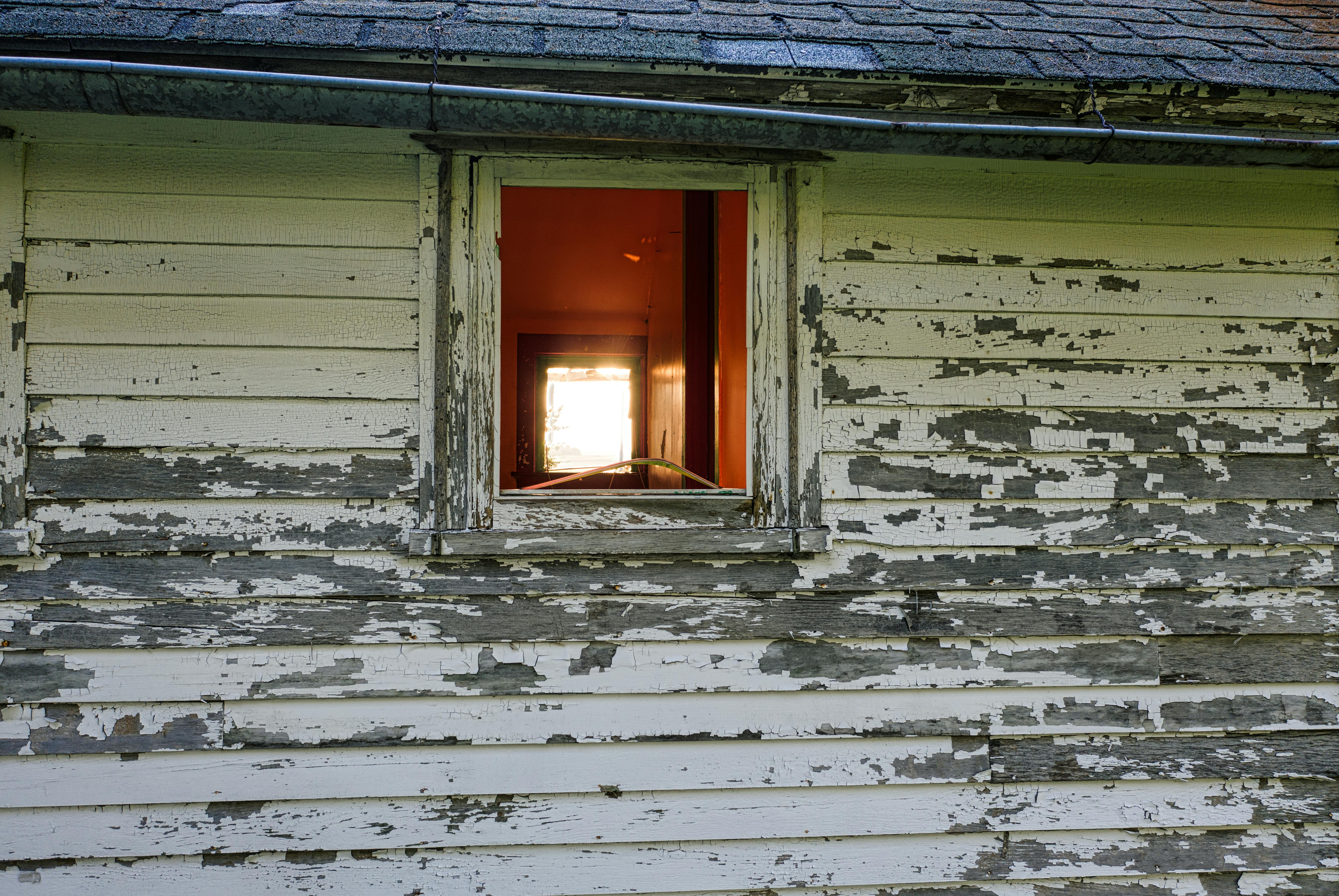
Is your siding showing signs of wear? Knowing when to replace your siding can save you from costly repairs down the road. Your home’s siding is the first line of defense against the elements, and when it starts to fail, your entire home is at risk.
In this guide, we’ll walk you through the key signs that indicate it’s time for siding replacement, what happens if you ignore the damage, and how to decide between repair and full replacement.
Here are the most common signs your siding may need replacement:
- Visible cracks, warping, or bubbling — Physical damage compromises your siding’s ability to protect your home.
- High energy bills — Poor insulation from damaged siding forces your HVAC system to work harder.
- Rotting or soft spots on the exterior — Moisture penetration can lead to serious structural issues.
- Peeling paint or wallpaper inside — Interior moisture problems often start with failing siding.
- Mold, mildew, or fungus growth — Excess moisture creates an environment for harmful growth.
- Pest infestations — Ants, termites, and bees can enter through gaps in damaged siding.
- Fading or discoloration — UV damage can make your home look worn and neglected.
- Frequent repainting needed — If your siding requires constant upkeep, replacement may be more cost-effective.
What happens if you ignore damaged siding?
Ignoring damaged siding doesn’t just affect your home’s appearance — it can lead to serious and expensive problems. Your siding is designed to protect the structure of your home, and when it fails, the consequences can escalate quickly.
Structural damage. When moisture gets behind damaged siding, it can rot the sheathing and framing of your home. Over time, this weakens the structural integrity of your walls and may require extensive repairs.
Mold and mildew. Trapped moisture creates the perfect environment for mold and mildew to grow. This not only damages your home but can also affect indoor air quality and pose health risks to your family.
Pest infestations. Gaps, cracks, and holes in your siding provide easy entry points for pests like ants, termites, carpenter bees, and rodents. Once inside, these pests can cause additional damage to insulation, wiring, and wood structures.
Decreased energy efficiency. Damaged siding compromises your home’s insulation. You may notice higher energy bills as your heating and cooling system works harder to maintain a comfortable temperature.
Lower home value. Curb appeal matters when it comes to property value. Cracked, faded, or warped siding makes your home look neglected and can significantly reduce its resale value.
Should you repair or replace?
Deciding between siding repair and full replacement depends on several factors. Here’s what to consider when making your decision:
Extent of damage. If the damage is isolated to a small area, repair may be sufficient. However, if multiple sections are affected or the damage is widespread, replacement is often the better choice.
Age of siding. Most siding materials last between 20 and 40 years. If your siding is approaching the end of its lifespan, replacement is more cost-effective than repeated repairs.
Material type. Some siding materials are easier to repair than others. Vinyl siding can often be patched, while wood siding may require more extensive work. Your contractor can advise you on the best approach for your specific material.
Cost comparison. While repairs are less expensive upfront, frequent repairs can add up quickly. Calculate the long-term cost of repairs versus a one-time replacement investment.
Energy efficiency. New siding with proper insulation can significantly improve your home’s energy efficiency. If your current siding is drafty or poorly insulated, replacement may pay for itself over time through lower energy bills.
Appearance. If you’re unhappy with the look of your home, new siding offers an opportunity to update your exterior with a fresh, modern appearance.
Frequently Asked Questions About Siding Replacement
Q: How do I know if my siding needs to be replaced?
A: Look for signs such as visible cracks, warping, rotting, high energy bills, peeling interior paint, mold growth, or pest infestations. If you notice any of these issues, it’s time to schedule a professional inspection.
Q: Can I replace siding in winter?
A: Yes, siding replacement can be done in winter, but it depends on the material. Some materials like vinyl can become brittle in cold temperatures. Professional contractors in Minnesota and Wisconsin are experienced in working with winter conditions and can advise on the best timing for your project.
Q: How long does siding replacement take?
A: Most siding replacement projects take between one and two weeks, depending on the size of your home, the material chosen, and weather conditions. Your contractor will provide a detailed timeline during the estimate process.
Q: What is the best siding material for my home?
A: The best siding material depends on your budget, climate, and aesthetic preferences. Popular options include vinyl, fiber cement, engineered wood, and metal siding. A professional contractor can help you choose the material that best fits your needs.
Q: Does new siding increase home value?
A: Yes, new siding is one of the best home improvement investments you can make. According to remodeling reports, siding replacement recovers a significant portion of its cost in increased home value, while also improving curb appeal and energy efficiency.
Ready to Evaluate Your Siding?
Your home’s siding plays a critical role in protecting your family and your investment. If you’ve noticed any of the warning signs mentioned in this guide, don’t wait until the damage gets worse.
At Archcraft Exteriors, we specialize in professional siding replacement for homeowners in Minnesota and Wisconsin. Our experienced team will help you choose the right materials and ensure a flawless installation that protects your home for years to come.
Contact Archcraft Exteriors today to schedule your free siding inspection and estimate. Let us help you restore your home’s beauty, efficiency, and protection.